Our Goals
STRATUM will develop a clinically demonstrated 3D Decision Support Tool for brain surgery guidance and diagnostics based on multimodal data processing through Artificial Intelligence algorithms that will be integrated as an energy-efficient Point-of-Care computing tool
SO-1
To foster advances in personalized medicine
SO-2
To increase the intraoperative diagnostic accuracy
SO-3
To reduce surgery time
SO-4
To improve cost- and energy-efficiency of surgery
SO-5
To clinically demonstrate the STRATUM prototype
SO-6
To prepare the business plan and the TRL9 roadmap
Stay Tuned for News & Events
Follow up on all information and events related to the STRATUM project
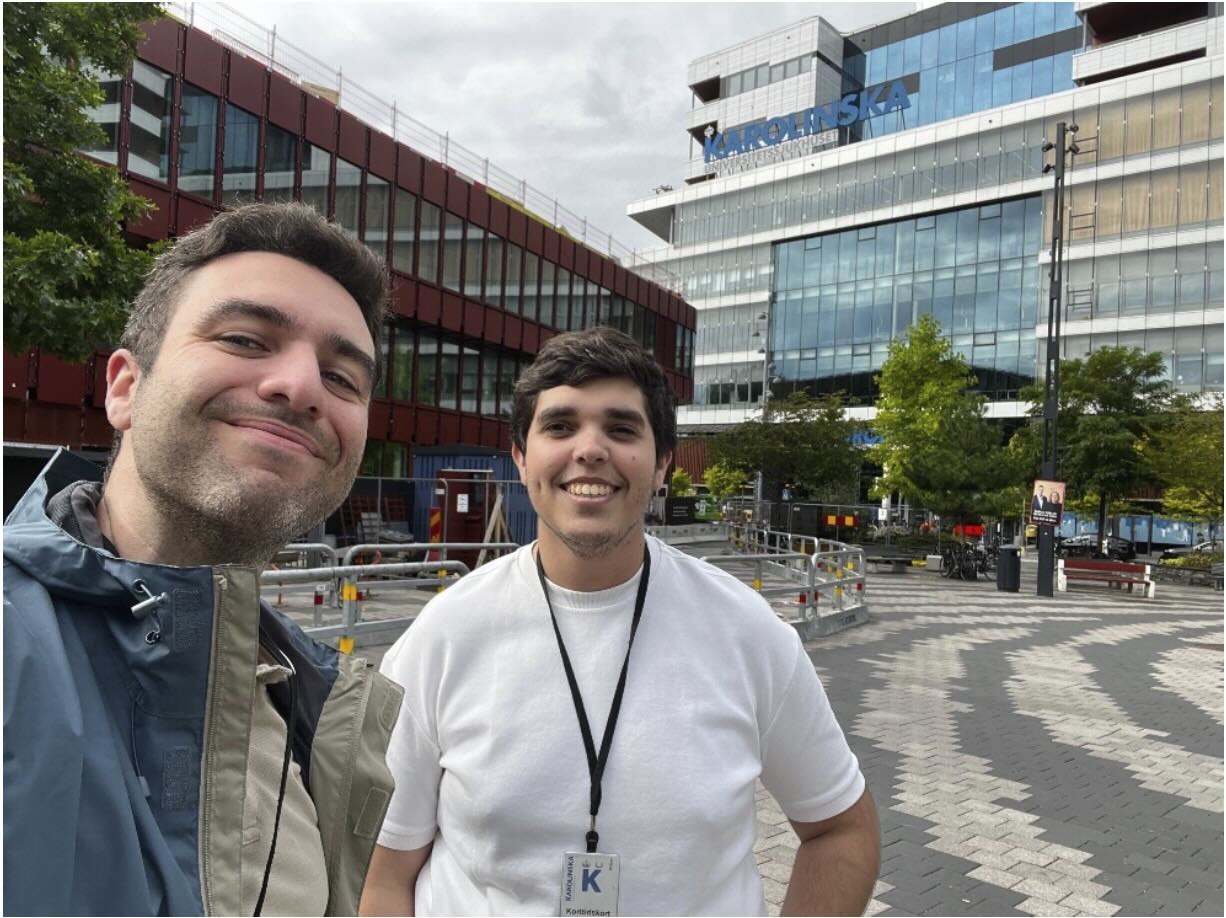
STRATUM brings its imaging system to Karolinska University Hospital
Carlos Vega García (left) and Javier Santana Núñez (right) during their visit to Karolinska University Hospital. Researchers Javier Santana[…]
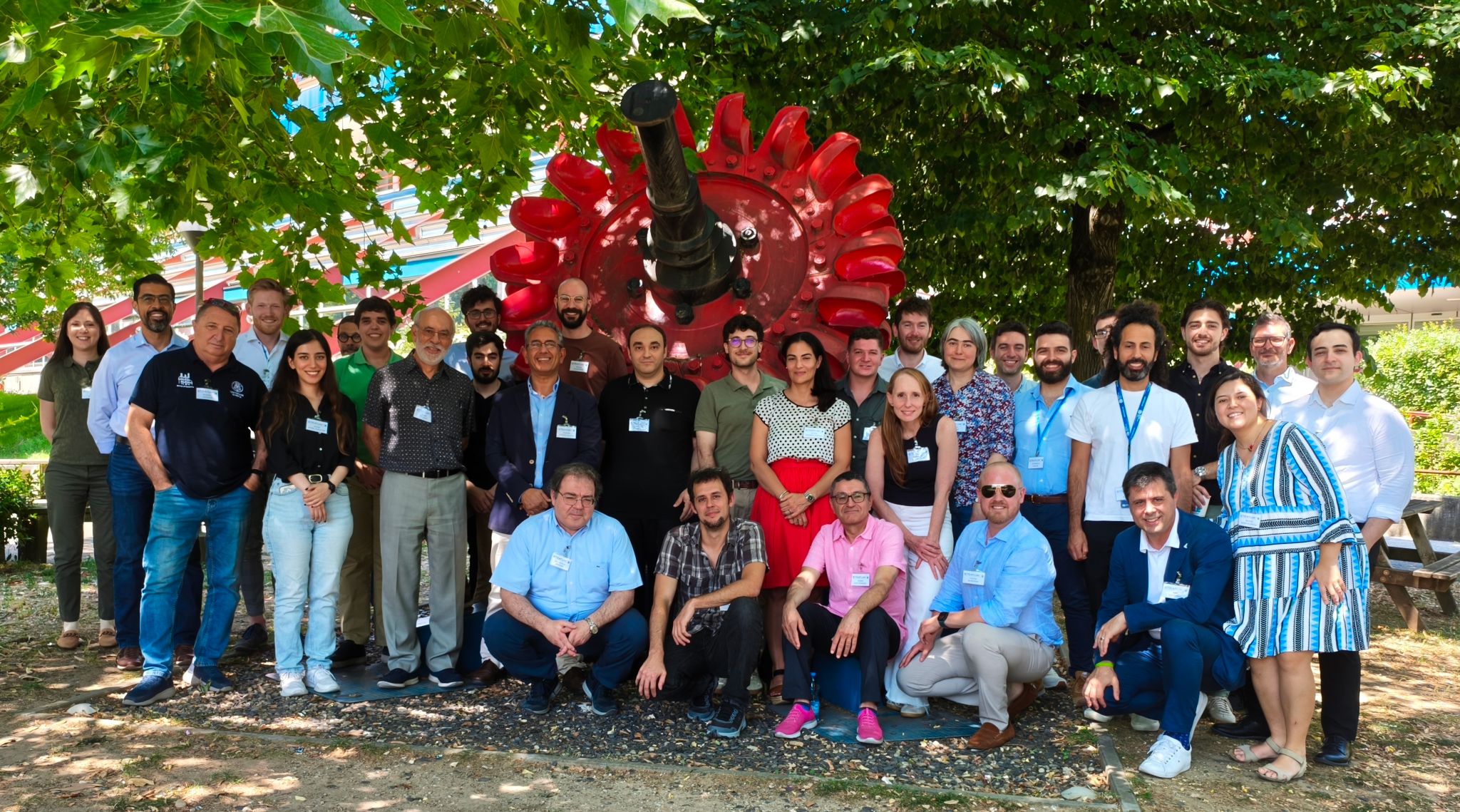
STRATUM Consortium Reaches the Halfway Mark
On 18 and 19 June, the STRATUM consortium gathered for another productive two-day project meeting, and with it came[…]
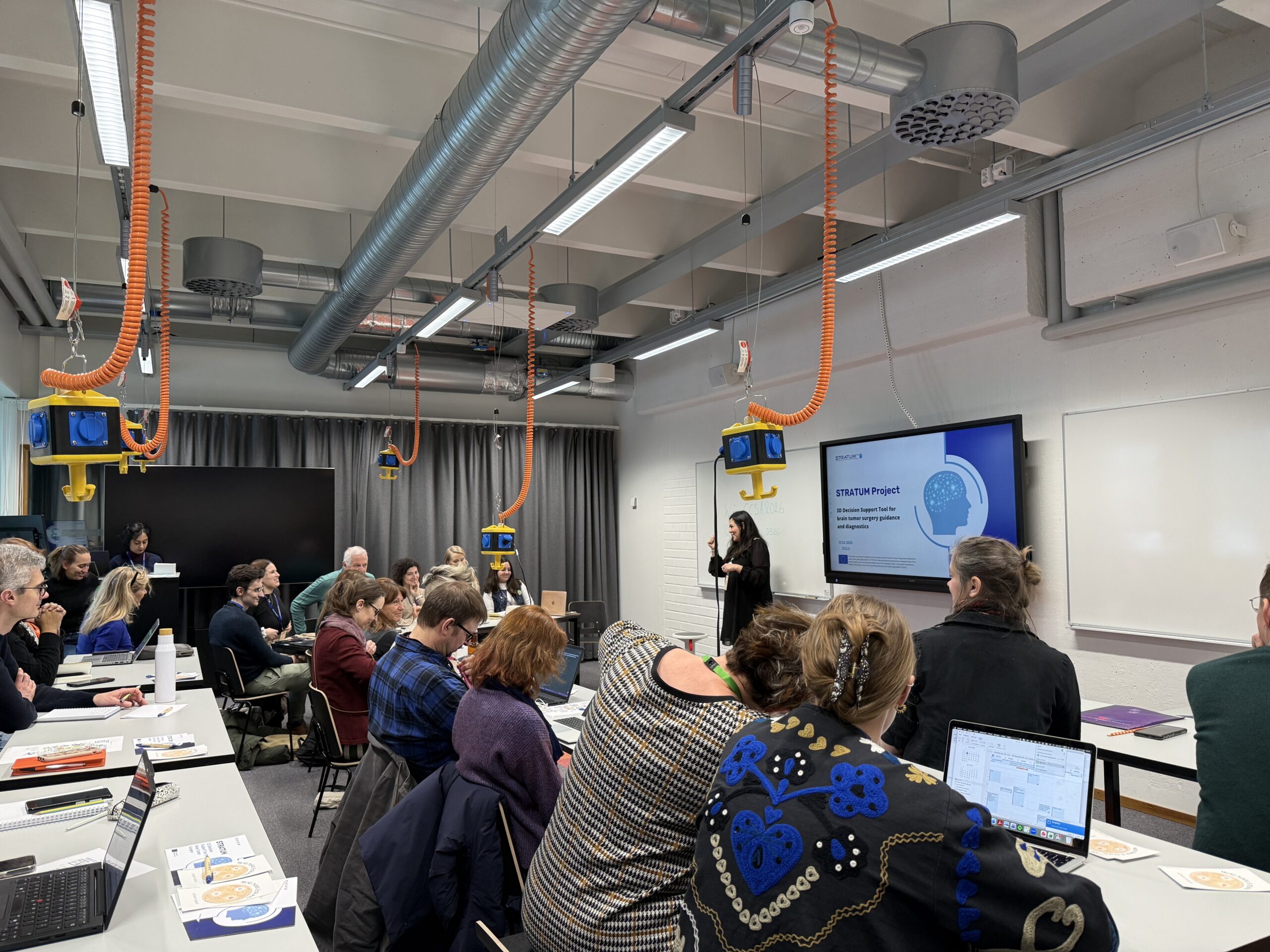
STRATUM at the European Citizen Science Association 2026 conference
What does snow and neurosurgery have in common? The last few days STRATUM went all the way to northern[…]
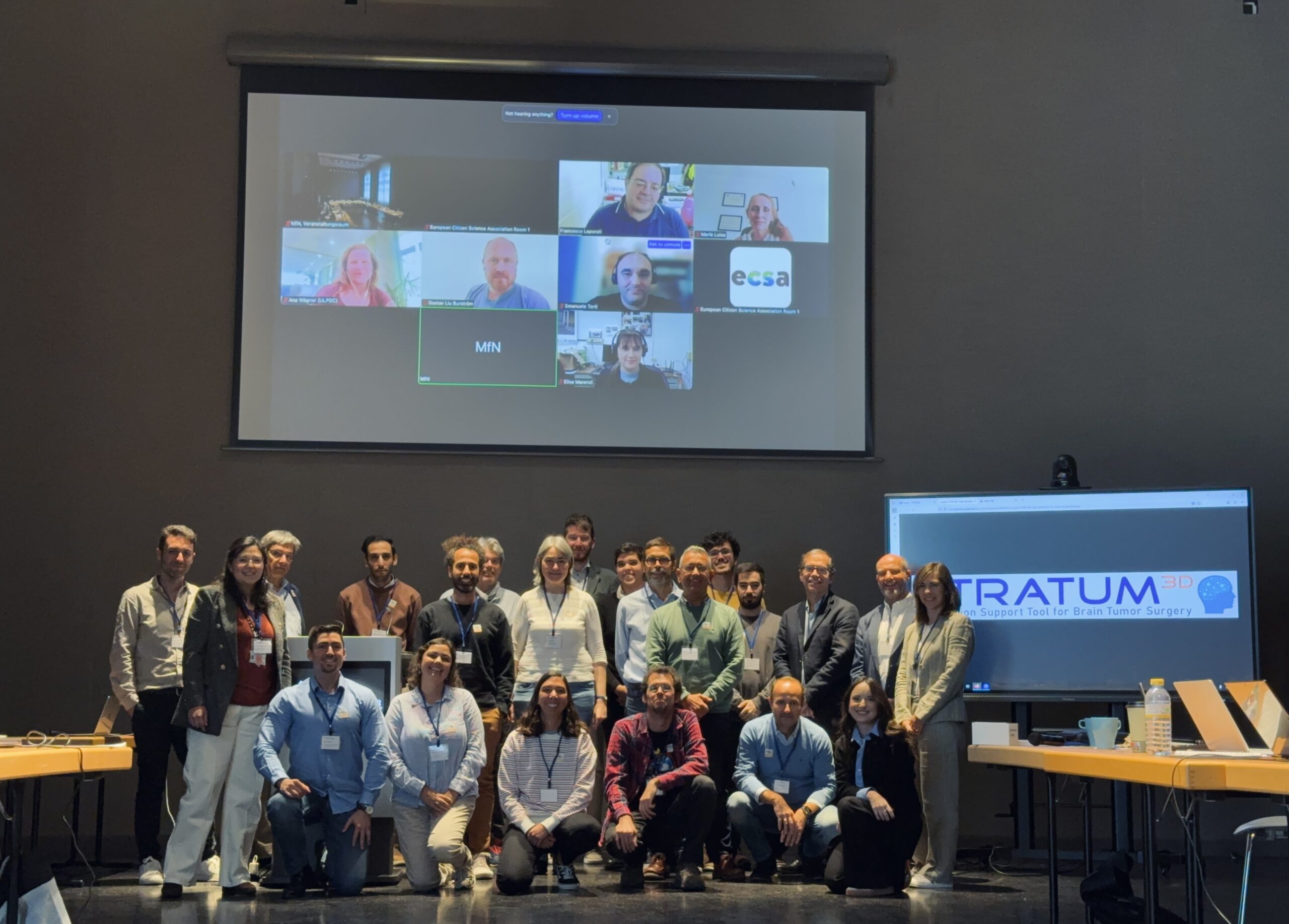
The Third General Assembly of the STRATUM project
The Third General Assembly of the STRATUM project took place in Berlin on the 25th and 26th of September[…]
Our Consortium
STRATUM partners share a common vision to create an innovative 3D Decision Support Tool for brain surgery guidance and diagnostics
The STRATUM consortium comprises a diverse team, encompassing optical and imaging engineers, physicists, software engineers, clinicians, and industry stakeholders
Our Methodology
The STRATUM project has a duration of 5 years (60 months), and its workflow will follow an interactive, iterative and incremental methodology
Our Results
We are ensuring that our research findings are accessible to readers by offering open access to our publications and public deliverables